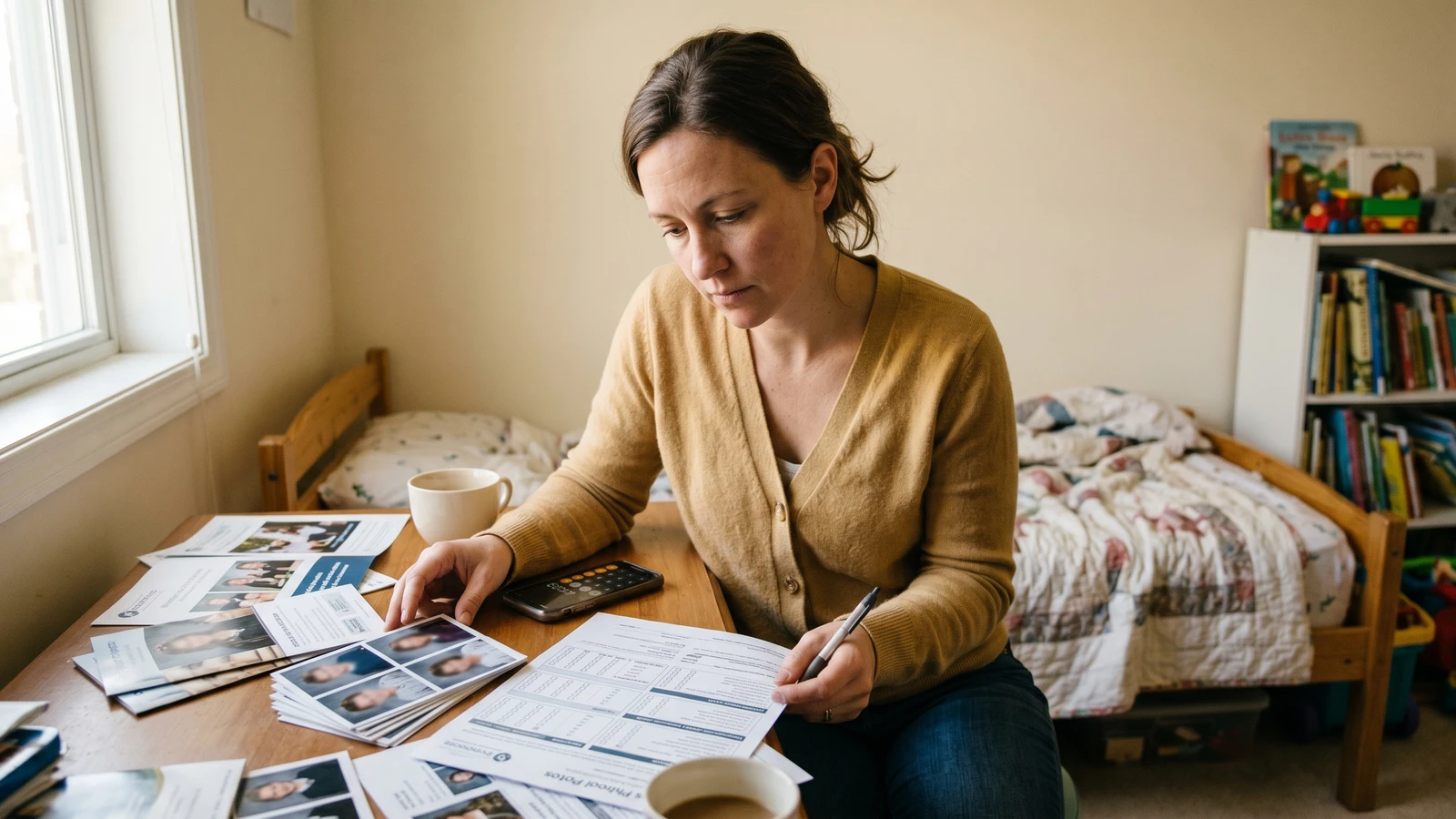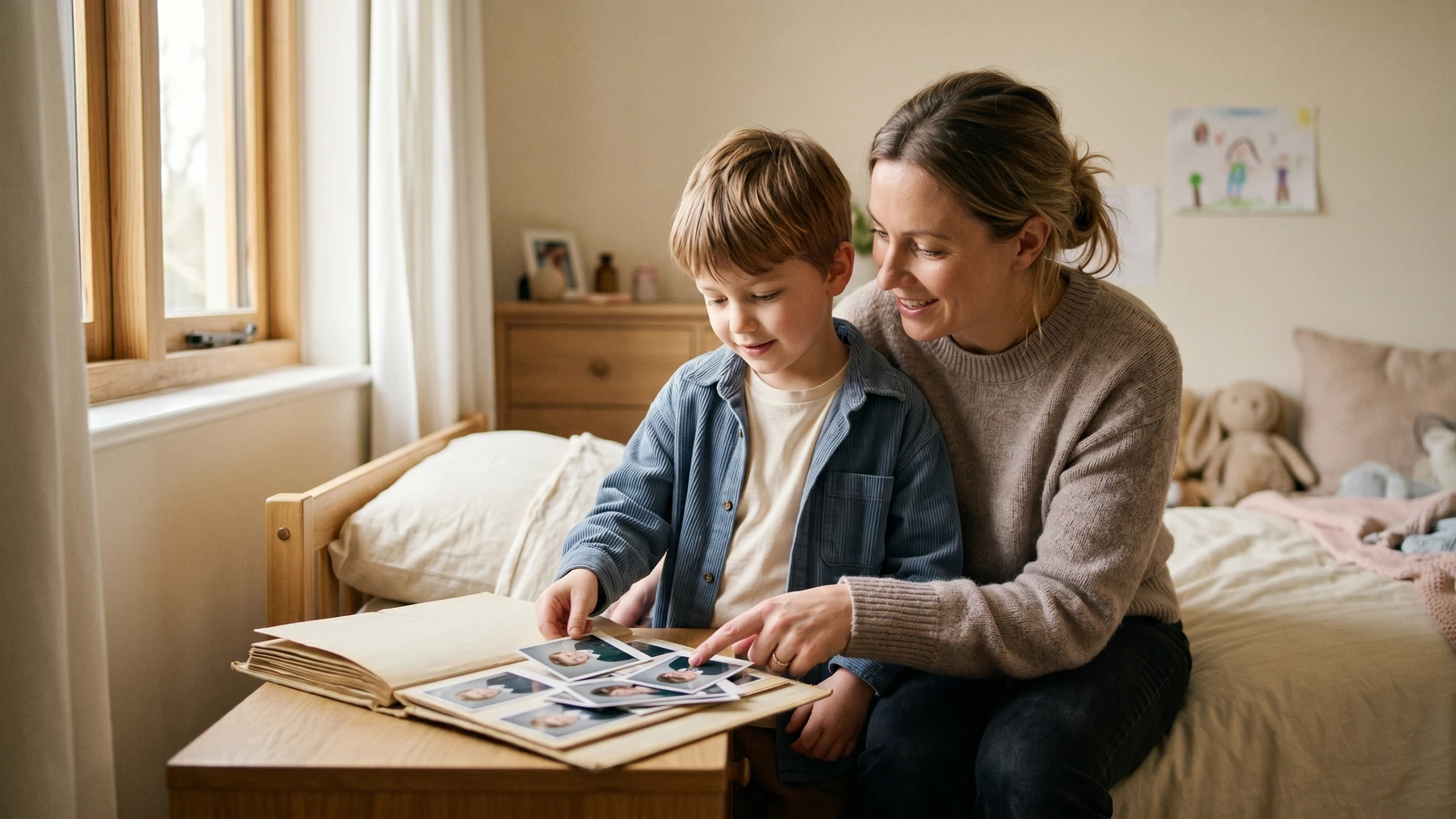
Planning Notes
* Mode: Focused Instructional * Target length: 700-800 words * Why this mode fits: The prompt requires practical, step-by-step guidance that parents can act on immediately, while maintaining a firm commitment to the child’s emotional safety.When your child resists picture day, it is easy to view their tears or refusal as a "bad attitude." In my work with families, I see something different: a nervous system that is signaling that the current environment feels overwhelming. Picture day isn't just a photo; it’s a sensory-heavy event requiring performance in an unfamiliar, high-pressure setting.
Preparing your child isn't about teaching them to perform for the camera; it is about providing the predictability and autonomy they need to feel safe. By reframing the event as an optional, low-stakes experience and focusing on regulation rather than compliance, we protect the child’s dignity. This guide walks through the before, during, and after, ensuring the event serves your family’s connection rather than your stress levels.
Quick Answer: Developmentally-Grounded Principles
* Behavior is communication: If your child freezes or cries, they are experiencing dysregulation. They aren't "being difficult." * Safety de-escalates: Shame and pressure escalate anxiety. Acknowledge their feelings to lower the internal alarm. * Autonomy restores regulation: Offering small, real choices gives the child agency, which is the strongest antidote to feeling overwhelmed. * Focus on the relational memory: The goal is a positive memory of the day, not a "perfect" image. * Post-event recovery is essential: Plan for downtime after the school day to help their nervous system recalibrate.The Before: Creating Predictability
The unknown is the primary driver of anxiety. Demystify the day without over-talking it. Use a matter-of-fact tone: "Next Tuesday is school picture day. They will take a photo of you, and then you go back to class. You get to decide if you want to smile or keep your face neutral."Try language like: * "Your only job is to show up. You don't have to smile if you don't want to." * "If you feel nervous, you can tell the photographer, 'I’m feeling a little shy right now,' or just nod." "We want a picture of you* as you are today—serious, silly, or shy."
The During: Advocacy and Autonomy
You cannot control the school’s photographer, but you can prepare your child to advocate for their needs. If your child has sensory sensitivities, a quick note to the teacher can be transformative.Small choices that offer control: * "Do you want to wear your favorite soft shirt, or the button-down?" * "Do you want to bring a small fidget to keep in your pocket until it's your turn?" * "Would you like me to wait in the hall, or would you prefer I'm not near the photo area at all?"
The After: Decompression
Picture day is an "event" day, and for many children, it is emotionally exhausting. Do not expect them to have a "great report" immediately upon pickup.* Offer low-demand transition time: Skip the 20-questions about how it went. * Focus on regulation: Offer a snack or physical movement (running, swinging) as soon as you are home. * Validate the experience: If they were upset, say: "I heard picture day was big and loud today. It makes sense that you felt overwhelmed. I'm glad you're home now."
What to Avoid
* "It’s just one photo": This minimizes their valid physiological distress. * "Just smile and it’ll be over": This prioritizes the result over the child’s emotional state. * "You're being so dramatic": This shames a child for their nervous system’s natural response to pressure.When this doesn't apply
* Diagnosed sensory or anxiety disorders: If your child has a specific diagnosis, your OT or therapist may suggest a more tailored approach, such as visiting the set before school hours. * Acute crisis: If your child is currently navigating a major life transition (move, loss, new sibling), they may lack the emotional bandwidth for even minor stressors. It is okay to opt out. * Teen autonomy: Adolescents may have stronger, more articulated boundaries about their image. Listen to their "no" as a sign of healthy development.Frequently Asked Questions
My child completely refused — do I force it? No. Forcing a child into a performance creates a lasting negative association. If they say no, honor it. The photo is for you, not for them, and it is not worth damaging their trust.
Should I bribe them? Bribes (like "If you smile, we'll get ice cream") teach children that their comfort is less important than your goals. If you want to celebrate the day, offer the treat regardless of how the photo turned out.
What if they cry for the whole photo? If they are crying, they are distressed. If possible, step in and advocate for a break. If you cannot, remind yourself that the photo is a document of a moment in time—even if that moment was a hard one.
My other child loves picture day — why is this one so different? Temperament is innate. Some children are sensory-seekers who love the spotlight; others are internal processors who find bright lights and cameras intrusive. Neither is "better."
Sources
Child Mind Institute:* "How to Help Children Manage Anxiety" (childmind.org) Zero to Three:* "Temperament: What Makes Your Child Tick" (zerotothree.org)Alternate Titles
- Beyond the Smile: Supporting Your Child on Picture Day
- When Your Child Refuses Picture Day: A Developmental Approach
- Picture Day Without the Power Struggle: A Parent’s Guide
Alternate Subtitles
- How to prioritize your child's emotional regulation over a "perfect" school photo.
- Turning a high-pressure event into a manageable experience for your child.
Meet the author
SmilePlease Team
Editorial Team