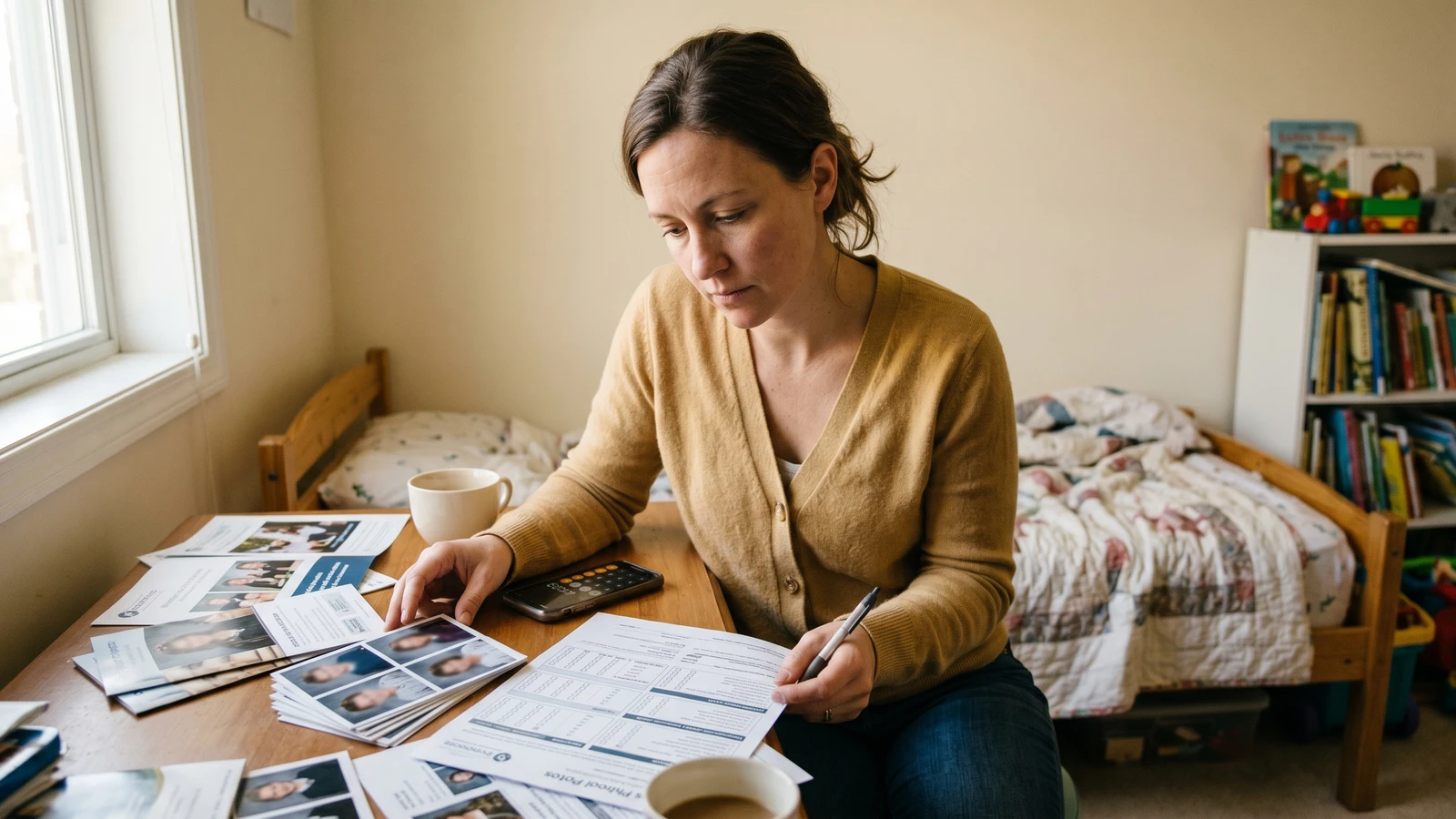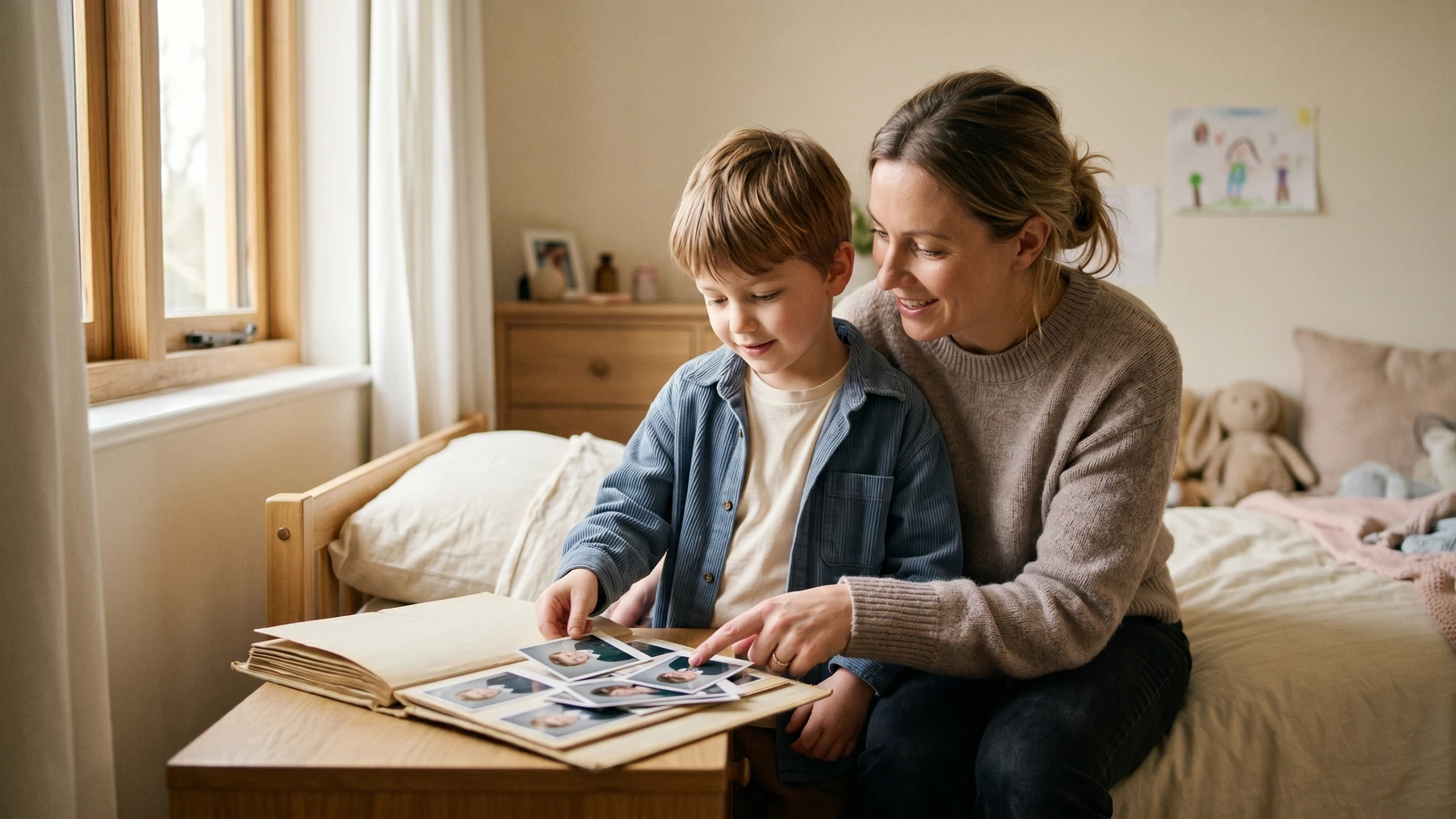
If your child freezes, cries, or outright refuses during picture day, I don’t see a "difficult" child or a "bad attitude." I see a nervous system signaling that the current demands are simply too much. Picture day is a sensory and social gauntlet: bright lights, unfamiliar equipment, performance pressure, and clothing that may itch or pull. When a child says "no" to these events, it is an act of communication, not defiance. By shifting our goal from "getting the perfect photo" to "preserving the child's sense of safety," we can lower their physiological stress and help them navigate the day with dignity. This guide walks through pre-event preparation, navigating the moment itself, and the essential, often-overlooked phase of post-event decompression.
Quick Answer: Key Principles
* Behavior is communication: Refusal is a rational response to an overwhelming environment, not a character flaw. * Shame escalates; safety de-escalates: Pressure to "just smile" triggers a shame response, which only hardens the child's resistance. * Autonomy regulates: Providing small, real choices during a high-demand event gives the child a sense of agency and often reduces escalation. * Dignity over compliance: A photo showing a serious or neutral face is a success if the child felt safe and respected during the process. * The "Relational Memory": How you support your child during their stress matters far more than the final physical print.Before the Day: Building Predictability
Anxiety thrives on the unknown. Use these strategies to make the event more predictable: * Demystify the equipment: Show them photos of cameras and lights. If possible, practice at home with a toy camera, emphasizing that they are in control of the pace. Validating the demand: Acknowledge the difficulty. Say: "I know that being asked to sit still and smile when you don't feel like it is really hard. You don't have to feel happy to get through this."* * Provide a "Safe Anchor": Give them a small, sensory-soothing object to keep in their pocket. This provides a tactile "anchor" to reality amidst the chaos of a school gym or studio.During the Event: Lowering the Pressure
When you are on-site, your role is to be a low-pressure buffer. * Scripts for the child: "You are doing a great job. We are almost through this. If you need to stop, we can stop." Scripts for staff: If you are present, advocate early: "My child finds the camera lights very overstimulating. We are prioritizing their comfort over a 'perfect' pose. Thank you for your patience."* * The Autonomy Choice: Offer small, binary choices to bypass the "no." Instead of "Are you ready?", try: "Would you like to stand for your photo, or would you like to sit on the stool?"What to Avoid
* Avoid "It’s just one photo": This invalidates their sensory reality and adds shame to their distress. * Avoid bribing: Bribes can increase performance anxiety by raising the stakes of the outcome. * Avoid "You’re being dramatic": This closes the door on the child’s attempt to communicate their internal state.After the Event: The Decompression
The photo is finished, but the child’s nervous system may still be recovering from the stress of the event. Give them space. Avoid "debriefing" immediately. Offer a quiet activity, a snack, or physical movement, something that signals to their body that the demand is over and they are back in a place of safety.FAQ
My child completely refused—should I force them? No. Forcing a child into a state of visible distress for a photo is a recipe for a negative association with cameras that will last for years. If they refuse, honor it. The photo isn't worth their feeling of being unsafe.Should I bribe them to smile? Bribes create pressure. When a child is already anxious, pressure is the last thing they need. Focus on regulation, not performance.
What if they cry the whole time? Take the photo as is, or opt out. Crying is a legitimate emotional state. A photo of a crying child is a real record of their development—it is not a failure of parenting.
Is this anxiety, or are they being difficult? In childhood, "being difficult" is almost always a mask for "I cannot regulate my current environment." Treat it as anxiety and you will find your child is far more capable of working with you.
When This Doesn't Apply
* Diagnosed Conditions: Children with autism or sensory processing disorders may require specific sensory accommodations (like noise-canceling headphones or specialized posing) that go beyond standard prep. * Acute Crisis: If your child is going through a significant life transition (grief, moving, illness), skip the photo day entirely. Protect the relationship over the routine. * Parental Anxiety: If the stress is primarily your own, take a breath and lower the pressure. Your child is likely to respond to your tone and pace.Sources
* Child Mind Institute: Understanding Anxiety in Children * Zero to Three: Supporting Social-Emotional Development * American Academy of Pediatrics (AAP): Managing Stress and Anxiety in ChildrenAlternate Titles
- Beyond the Smile: When Your Child Struggles with Photo Day
- How to Protect Your Child’s Dignity on Picture Day
- Reframing the "No": A Developmental Guide to Photo-Day Anxiety
Alternate Subtitles
- Practical strategies for parents navigating child stress and sensory overwhelm.
- Prioritizing emotional safety over the perfect school portrait.
Meet the author
SmilePlease Team
Editorial Team