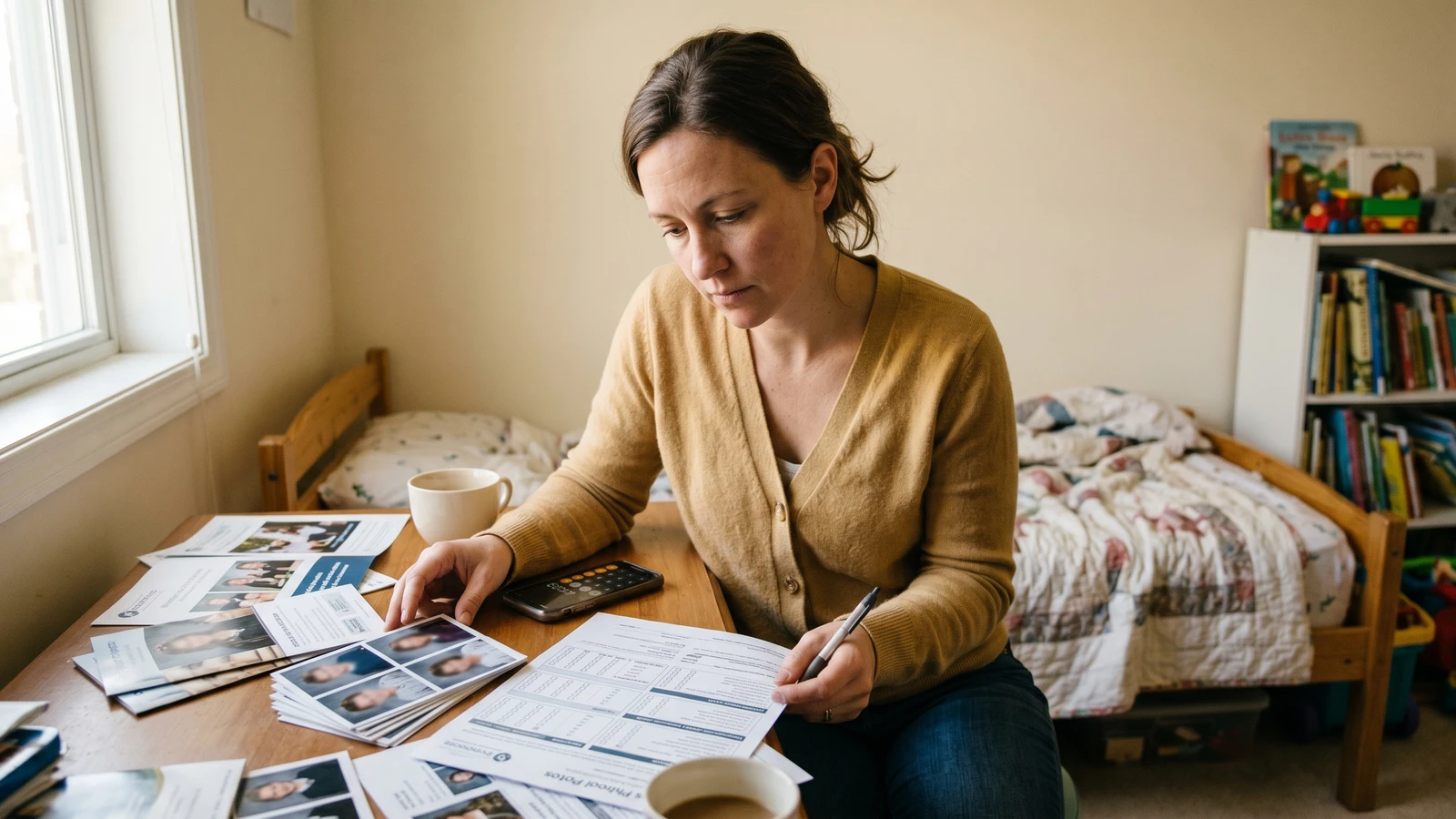
What if my child hates picture day?
The governing principle of a successful portrait is "the internal state always reflects in the eyes." When a child is anxious or resistant, that internal friction translates into a rigid jaw, a forced smile, or a "deer in the headlights" gaze. You cannot pose your way out of genuine distress. The craft-first approach to a reluctant subject is simple: lower the stakes, manage their sensory environment, and prioritize familiarity over a stiff "photo-day" look. If the child is fighting the process, the camera will record the fight. Prioritize a neutral, comfortable expression over a forced, high-wattage grin, and focus on the outfit as a tool for comfort rather than a costume for the occasion.
Quick Answer: Crafting a Better Portrait
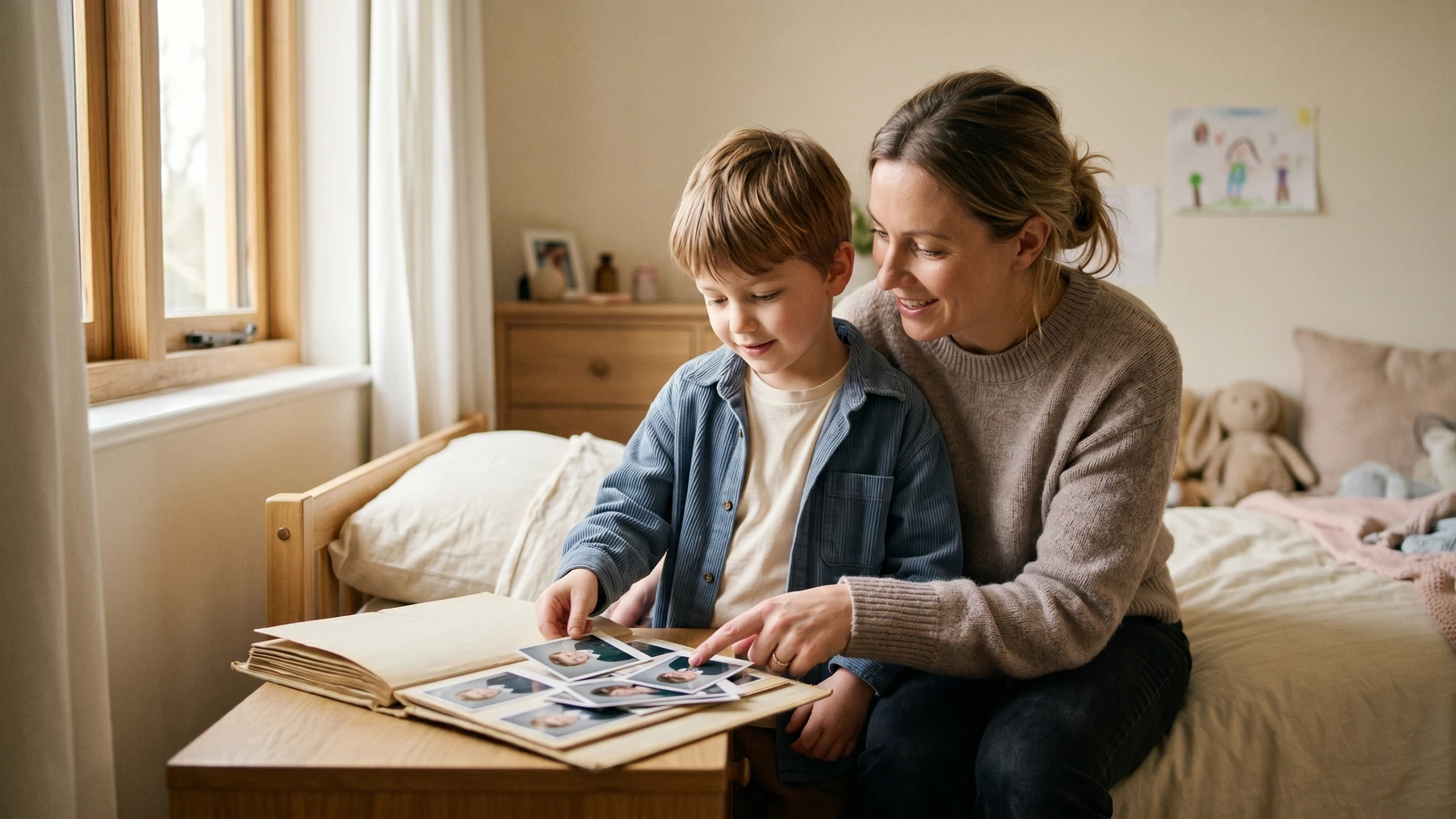
* Choose comfort over aesthetics: If they are physically uncomfortable in their clothes, that tension will migrate to their face. * Normalize the equipment: Let them look at photos of themselves so the camera becomes a familiar object, not an intimidating one. * Ditch the forced smile: A neutral, relaxed mouth is often more authentic—and thus more flattering—than a grin that doesn't reach the eyes. * Manage the time gap: If possible, do not talk about the photo shoot until the morning of, avoiding a buildup of "performance pressure." * Focus on the eyes: If they are resisting, tell them to focus on a single point just above the camera lens to ground their gaze.The Mechanics of Resistance
In photography, we often talk about the "look of command." When a child is feeling defensive or unhappy, their muscles tighten—specifically the masseter muscles in the jaw and the orbicularis oculi around the eyes. On camera, this reads as "heavy" or "hard." You aren't seeing a bad photo; you are seeing a physiological response to stress.When you know your child is likely to hate the process, your goal shifts from "getting a great portrait" to "minimizing the performance." We see this all the time: the children who have been prepped with "Make sure you smile big for the camera!" arrive with their faces essentially locked in a state of high-alert.
Instead, lean into the recognizable version of your child. If they are the type who doesn't smile at strangers, don't force a teeth-baring expression. A portrait of a child looking thoughtful, steady, or even slightly serious is far more "accurate" and technically superior to a portrait of a child who looks terrified behind a fake smile.
Clothing as a Sensory Tool
We often advise on patterns and colors for image clarity, but for a reluctant child, clothing is a sensory tool. If a shirt is itchy, or a collar is stiff, the child will constantly fidget, which disrupts their posture. In a portrait, this leads to slumped shoulders or an unnatural tilt of the head.Choose fabrics they know and love. A soft, cotton-blend shirt in a solid, muted color (navy, charcoal, or deep olive) is a photographer’s best friend. It doesn't distract from the face, and because it’s comfortable, the child isn't thinking about their clothes. When they aren't thinking about their clothes, they have a better chance of forgetting the camera is there.
When this doesn't apply
* Institutional requirements: If the school mandates a specific uniform, focus on grooming (hair out of eyes) as the only variable you can control. * Severe sensory processing issues: If the act of being observed causes genuine trauma, no amount of "coaching" will fix the image; consider alternative ways to capture the year. * Studio-lit setups: If you are participating in a highly stylized, artificial-lighting session, the "natural expression" rule may conflict with the photographer’s need for specific posing, in which case, prioritize the child’s comfort over the photographer's rigid pose requirements.FAQ
Q: Should I bribe my child to smile? A: Avoid it. Bribing creates a transactional expectation, which leads to "transactional expressions"—usually a stiff, artificial smile.Q: What if they refuse to look at the camera? A: A profile shot or a slightly off-camera look is often more evocative than a forced direct gaze. Don't sweat the eye contact if they aren't offering it.
Q: Can they wear their glasses? A: Yes. If they wear them every day, take the photo with them. A photo without them will feel "off" to you and them, reinforcing their discomfort.
Q: Should I tell them it’s going to be fun? A: Don't over-promise. Frame it as a neutral, quick event. Setting expectations of "fun" often leads to disappointment if the process feels mundane or clinical.
Sources
The Portrait Photographer’s Guide to Posing*, Bill Hurter. Child Photography: The Science of Lighting and Expression*, various industry craft journals.Alternate Titles
- Why Forced Smiles Fail: A Photographer’s Guide to Reluctant Subjects
- The Craft of the Comfortable Portrait: Helping Your Child Through Picture Day
- When Picture Day Feels Like a Battle: How to Keep the Focus on the Face
Alternate Subtitles
- How to manage child anxiety to get a better, more authentic photograph.
- Understanding the relationship between child comfort and image quality.
Meet the author
Marcus Hale
Professional Photographer Columnist
Craft-first writing about what actually makes a portrait feel like the subject
Marcus writes about the craft of portrait photography — what’s happening in the frame, what decides whether a photo feels like the subject or like a stock character wearing the subject’s face. His column at SmilePlease covers lighting, posing, backdrop, and the small details that separate a keepsake from a school-day artifact.