Better timing
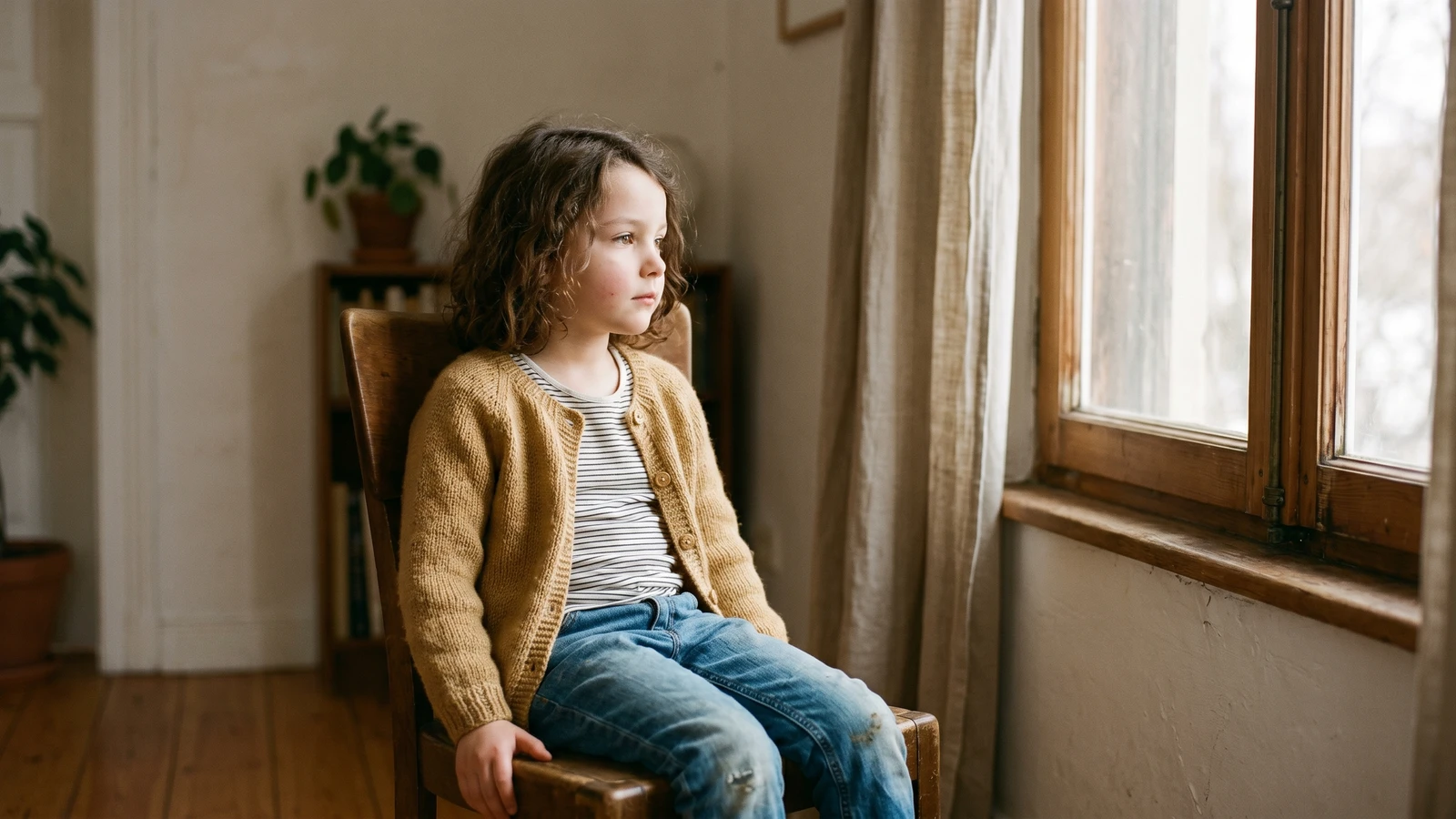
Families can take photos on a weekend or after school, when kids are rested and comfortable.
Less pressure
Without the school photo line, kids relax. That usually leads to more natural expressions.
Flexible outfits
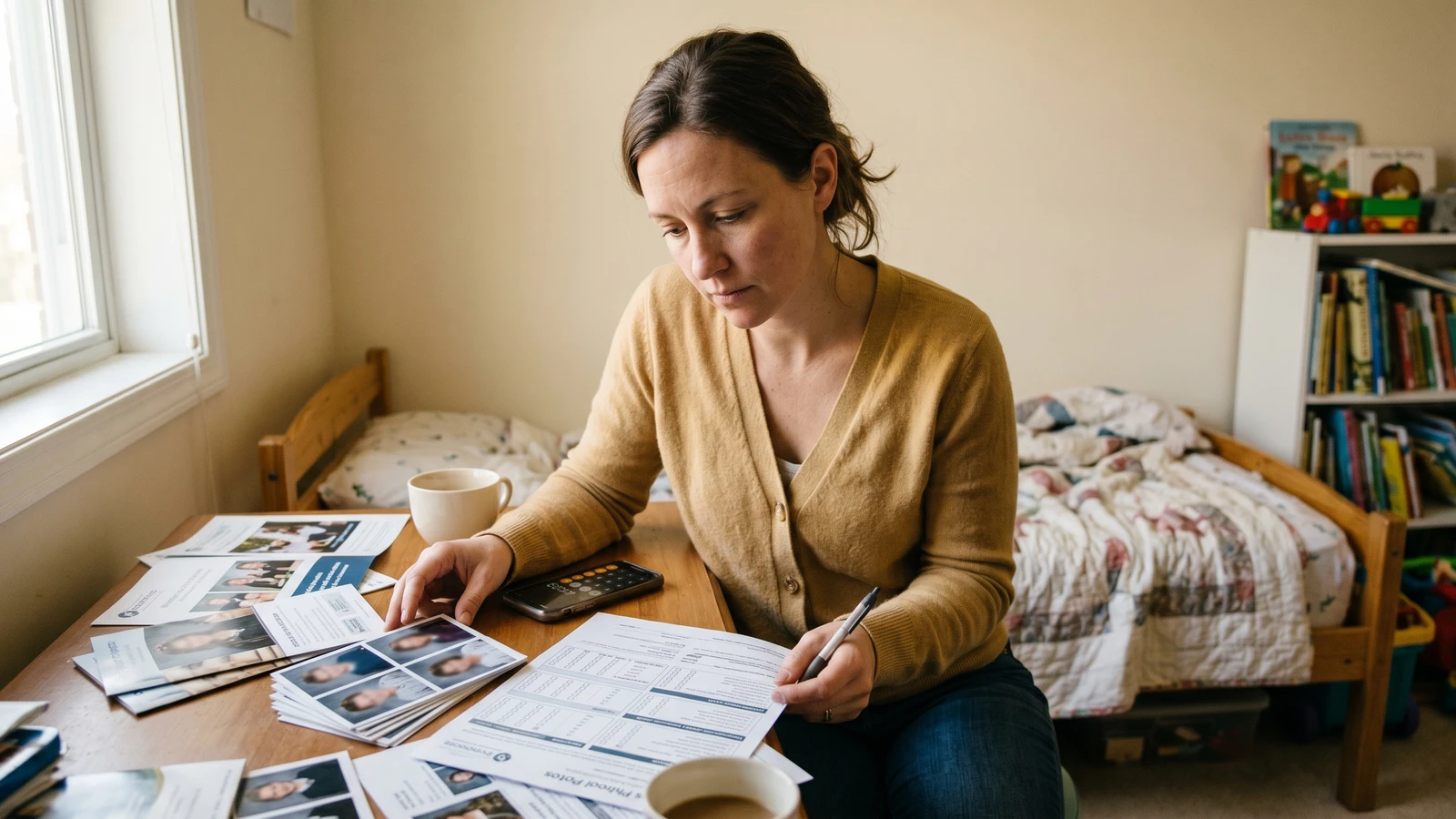
Parents can try a couple of shirts and pick the best one instead of settling for the first choice.
Real results
Most parents say they get at least one portrait that feels true to their child, which is the whole point.
Why this matters now
Many school-photo programs offer multiple options, but they can still feel visually similar because they come from one limited setup. At-home flows usually give families more control over expression, timing, and final selection.
Ready to move picture day home? SmilePlease turns one relaxed phone pic into a full set of school portraits — studio-quality prints, no tripod, no production day.
Keep reading
- AI school portraits explained: what actually happens — The full pipeline from upload to print.
- Print vs digital: choosing your school portrait package — How to spend only on what your family will actually use.
- Why school photo packages are expensive: 5 perspectives — The pricing-trap map that makes the at-home decision easier.
Research & sources
Industry scale that makes the "at-home alternative" decision meaningful.
Frequently asked questions
Do at-home school portraits really look as good as the ones from school?
With AI-enhanced pipelines, yes — often better. The composition, backdrop, and studio-style lighting are handled automatically from any well-captured phone photo. What at-home portraits gain is the expression: kids photographed at their calmest look more like themselves than kids photographed in a gym-queue environment with 30 seconds on the clock.
What equipment do I need to do a school portrait at home?
A window with daytime light, a plain wall or sheet as a backdrop, and your phone. That's it. No tripod, no softbox, no dedicated camera. AI-enhancement tools handle the studio-look composition. Your job is to capture your kid looking relaxed and like themselves — the technical work happens after upload.
Will at-home portraits cost less than traditional school photos?
Usually yes, often meaningfully. A traditional family-of-two school photo package with digital and composite typically runs $130–$230. An at-home AI portrait equivalent runs $30–$80 for the same print mix, with no per-child siblings premium on the digital side. Over a K–12 school career the spread adds up significantly.
Should I still buy the school's class composite even if I do at-home portraits?
Yes, if the composite matters to you. The group photo of your kid's actual classmates is a social artifact that at-home or AI portraits can't replicate — it's a record of a specific year with specific people. A common hybrid approach: skip the school's individual print package, buy only the composite, and do individual portraits at home.
My kid opts out of school photos — will they feel left out?
Depends on the social dynamics of the school and your kid's age. Younger kids often don't notice. Older kids sometimes want to be photographed with peers. If opting out would make your kid feel singled out, that social cost is worth weighing — it's fine to do the school photo AND an at-home session, and pick whichever turns out better as the framed version.
Can I include siblings or pets in an at-home portrait?
Yes — that's one of the practical advantages over traditional school photos, which are usually one-kid-at-a-time and don't accommodate pets at all. Capture the group in a single relaxed shot; the AI pipeline can handle multi-subject compositions as long as the source photo has everyone in frame with their faces visible.
Meet the author
SmilePlease Team
Editorial Team
The SmilePlease editorial desk — guides, explainers, and practical content for parents
The SmilePlease editorial team writes the product-adjacent guides, explainers, and how-tos — the kind of content that sits alongside the columnists and fills in the practical gaps: how to prep for picture day, what to wear, how our AI generation pipeline works, what our retention policies mean in practice.